
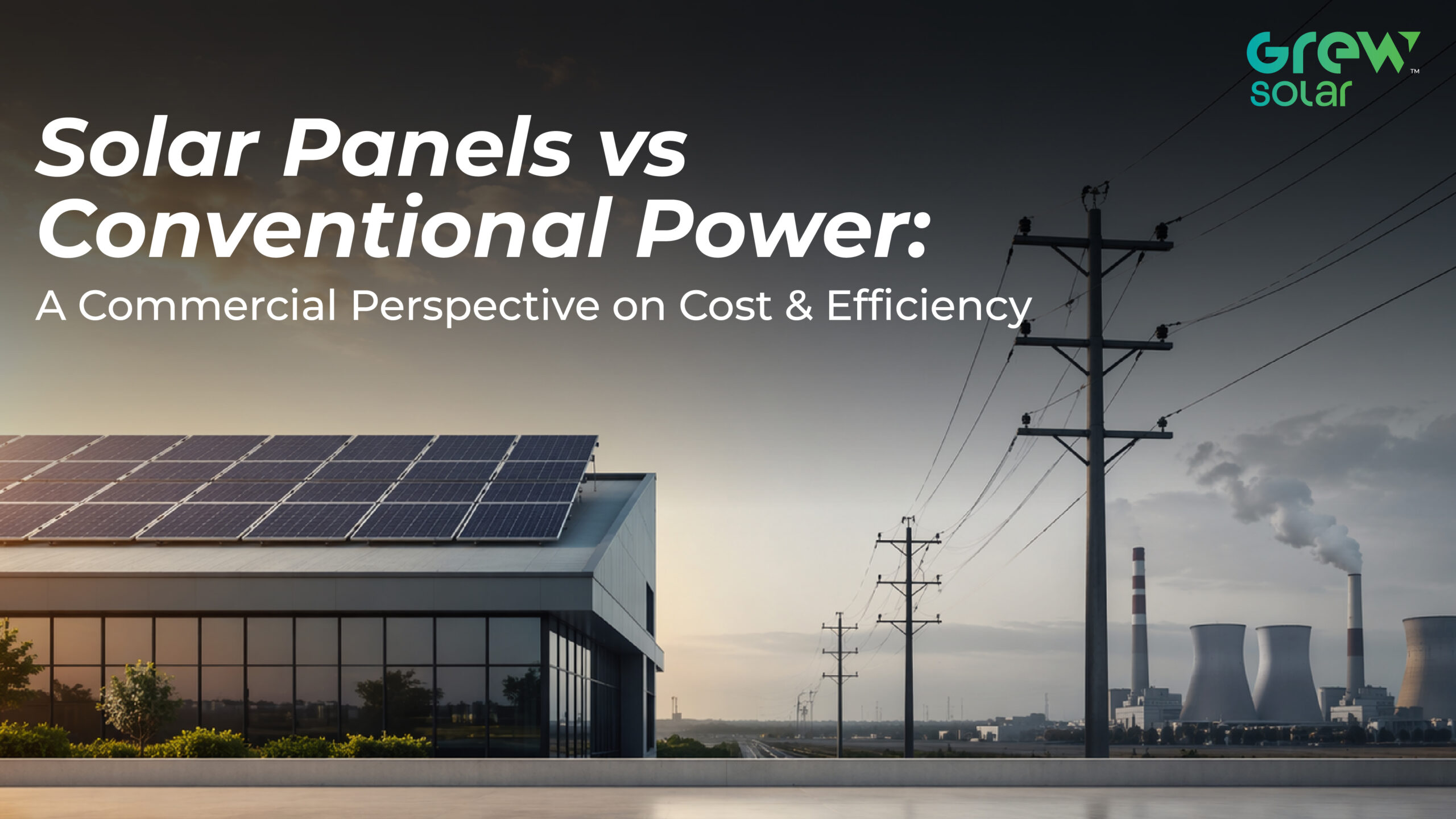
Energy costs have become a more visible part of business planning, especially as tariffs continue to fluctuate across regions and sectors. For many organisations, the question is no longer whether to adopt solar, but how it compares with conventional power over time.
This comparison is not only about today’s cost per unit, but also about how energy is sourced, managed, and sustained. The solar panel company chosen here also factors into this decision, as the system’s performance depends on more factors than installation alone.
Understanding Conventional Power Costs
Conventional power is usually seen as a predictable utility expense, but in reality, it is affected by many external factors. Grid tariffs can change over time due to external factors, fuel costs also affect how power generation, and peak demand charges is yet another factor that can make monthly bills less predictable. These changes are not always gradual, which makes long-term planning more difficult.
For large businesses, this means energy costs can be unpredictable. Grid power is still essential, but pricing doesn’t stay stable over time. While grid power remains important, it lacks long-term cost stability.
How Solar Changes the Cost Structure
Solar changes the way a business thinks about energy costs. Instead of being a recurring expense, it becomes a planned investment with a more predictable output. While there is an upfront cost involved, the energy generated over time reduces reliance on grid electricity and helps stabilise overall energy expenditure.
This makes energy easier to plan around since over time costs become more stable, which works well for businesses with a steady demand.
Efficiency and Energy Output Comparison
The comparison between solar and conventional power is not limited to availability because it also includes how efficiently energy is generated and used. When designed and set up properly, solar systems can deliver steady output that matches a business’s operational needs.
Solar efficiency depends on a few key factors like module quality, system design, and how the system is installed. This is where the role of a solar panel company matters, since both manufacturing and planning affect performance. Better modules and proper system alignment can increase energy output without needing more space.
Long-Term Performance and Reliability
Solar and conventional power differ mainly in how they perform over time. Solar systems are built to last for decades and usually deliver steady, predictable output, which makes planning easier.
Conventional power, on the other hand, depends on external supply and conditions that are not always in your control. It keeps operations running, but costs and performance can vary. Solar systems, when designed and built properly, offer more consistent and stable performance over the long term.
Operational and Strategic Advantages for Businesses
Besides cost and efficiency, solar also supports other operational objectives. It reduces exposure to tariff changes, provides a degree of energy independence, and aligns with sustainability goals that are increasingly becoming part of business strategy.
For organisations with long-term planning horizons, these factors contribute to more predictable operations. Energy becomes less of a variable and more of a controlled input, which can support both financial and operational stability.
What Determines Solar Project Performance
The effectiveness of a solar installation depends on how well different elements come together. Module efficiency, manufacturing consistency, system design, and execution all affect actual output. Even well-designed systems can underperform if there are issues in production or gaps during installation.
A good solar panel company makes sure all these parts work together smoothly, so the system performs well over time. This means they focus on quality manufacturing, thorough testing, and making sure the product fits the job. When these things are managed well, the system is more likely to give consistent and reliable energy generation for years to come.
Where GREW Solar Fits In
GREW Solar focuses on large-scale manufacturing and designs for strong performance. With plans for 11.0 GW of module production and 8.0 GW of cell production, the company is growing its capacity while making sure its systems deliver steady results.
GREW Solar’s modules, including ALMM-certified types, are made for efficiency and reliability, with in-house testing and careful process control. This helps projects get steady performance over time and stay in line with rules and business needs.
Conclusion
Comparing solar panels and conventional power isn’t just about short-term costs. It shows a bigger change in how businesses plan and manage energy. Conventional power still matters, but it doesn’t give much control over long-term costs or changes.
With good design and manufacturing, solar offers a more stable and predictable option. For businesses thinking about switching, it’s important to look beyond installation and consider how well the system will perform in the long run.

