Categories
Uncategorized

Grew Energy Joins Hands With IIT Bombay To Enhance R & D Initiatives In Photovoltaic Technology

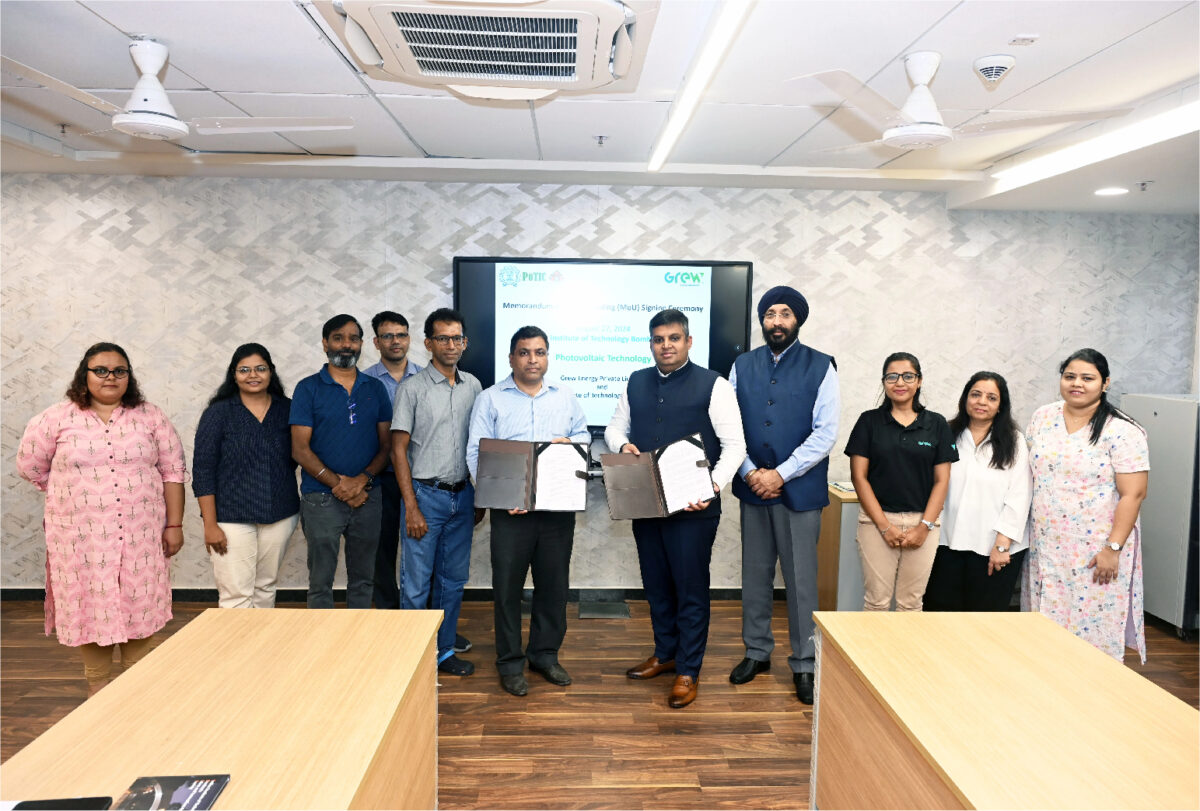
GREW Energy Private Limited, the youngest and fastest-growing player in India’s renewable energy landscape, has announced a strategic partnership with the esteemed Indian Institute of Technology, Bombay (IIT Bombay). This collaboration represents a significant milestone in the company’s efforts to advance photovoltaic technology and contribute to the ambitious goals of renewable energy in India.


This alliance brings together the cutting-edge research expertise of IIT Bombay and Grew Energy’s deep industry knowledge to enhance solar cell manufacturing and module development. The IIT Bombay partnership will focus on several key areas, including performance characterization, reliability assessments, and the creation of next-generation PV technologies. Additionally, it will foster joint consultancy projects, create internship opportunities, facilitate intellectual property licensing, and provide workforce training initiatives that will shape the future of solar energy innovation in India.


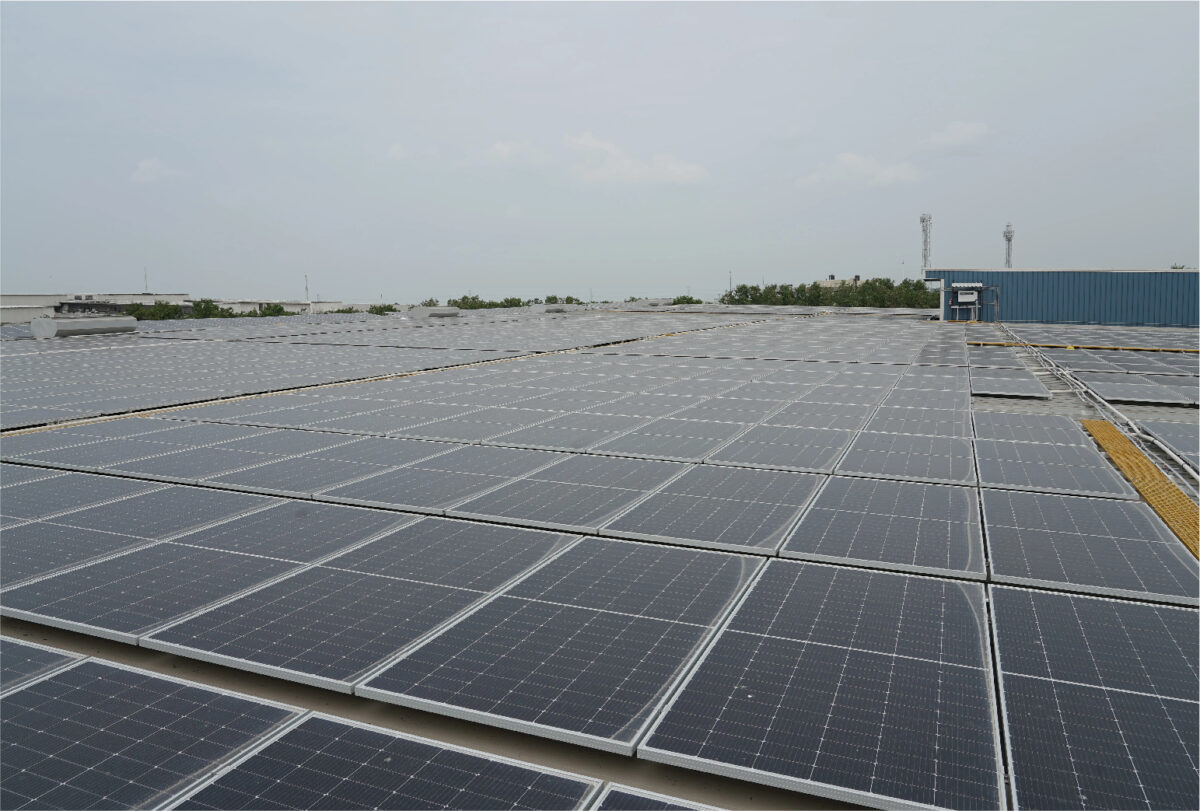
A delegation from IIT Bombay, led by prominent researchers, recently visited Grew Energy’s manufacturing facility in Dudu, Jaipur. This visit laid the foundation for collaborative efforts that aim to bridge the gap between research and industrial application, ensuring that innovations in photovoltaic technology are effectively implemented in real-world scenarios.


Vinay Thadani, Director and CEO of Grew Energy, expressed his enthusiasm for the collaboration: “This partnership with IIT Bombay underscores our unwavering commitment to driving innovation and leading the solar energy sector. By combining our industry experience with IIT Bombay’s research capabilities, we are poised to make significant breakthroughs in solar energy innovation that will not only benefit India but also contribute to the global renewable energy landscape.”


Prof. Upendra Bhandarkar, Associate Dean of R&D at IIT Bombay, highlighted the importance of this partnership: “Working with Grew Energy allows us to translate our research into practical applications, advancing India’s renewable energy goals. This collaboration reflects our shared vision of leveraging technology to create sustainable energy solutions for the future.”


Prof. Anil Kottantharayil, Professor In-Charge of the Photovoltaic Technology and Innovation Centre (PoTIC) at IIT Bombay, echoed this sentiment: “Our engagement with Grew Energy is a testament to our commitment to enhancing the technological competitiveness of the photovoltaic technology sector in the country. This partnership will enable us to push the boundaries of PV technology and contribute to the growth of the renewable energy industry in India.”


This IIT Bombay partnership is set to play a pivotal role in shaping the future of solar energy innovation in India. By integrating advanced research with practical industry applications, Grew Energy and IIT Bombay are not only enhancing the efficiency and reliability of photovoltaic technology but also contributing to the larger goal of achieving a sustainable and energy-independent future for India.


#SolarEnergy #Innovation #PhotovoltaicTechnology #Sustainability #RenewableEnergy #GrewEnergy #IITBombay #SolarCellManufacturing

Categories
Uncategorized

GREW Energy: Leading India’s Solar Revolution at RE+ 2024

GREW Energy: Leading India’s Solar Revolution at RE+ 2024

GREW Energy, a leading solar module manufacturing company from India, is participating in the RE+ 2024 Solar Conference and Exhibition in Anaheim, California. With our state-of-the-art manufacturing setup, encompassing a 3-stage backward integration for solar cells, ingots, and wafers, GREW Energy is showcasing India’s potential as a module manufacturing hub in renewable energy industry.


About RE+ 2024 Solar Conference & Exhibition

RE+ 2024, North America’s largest solar event celebrates its 20th anniversary, promising to be more impactful than ever, featuring over 40,000 clean energy professionals under one roof, 90+ hours of networking, and 520+ exhibitors from 125+ countries. This is huge! GREW Energy is proud to be among them, representing India’s growing influence in the renewable energy sector.

At RE+ 2024, GREW Energy will showcase India’s growing prominence in the global solar industry by presenting our high-efficiency PV modules, optimized for diverse climatic conditions. This participation offers a strategic opportunity to connect with international stakeholders, essential for scaling production and advancing solar technology innovation. Committed to driving future advancements in solar energy, GREW Energy reinforces its dedication to sustainability and long-term energy solutions. This event marks a pivotal moment for us as we work towards positioning India as a global solar energy superpower. Join us at Booth E-11054 from September 10th to 12th at the Anaheim Convention Center, where our leadership team will engage with industry leaders, understand their needs, and collaborate on impactful projects.


A Vision for the Future

GREW Energy’s presence at RE+ 2024 is more than just an exhibition; it’s a declaration of our commitment to leading India’s solar revolution. With our cutting-edge R&D and modern manufacturing capabilities, GREW Energy is ready to power the future with clean, sustainable energy.

Categories
Uncategorized

India Is Marching towards What America’s Clean Energy Week Aims to Achieve!

In recent times, we have noticed a steady push towards renewable energy from the Government of India. As a key player in the renewable energy sector, GREW, a flagship venture of the Chiripal Group, supports this mission and is taking all necessary steps to help the country transition to a carbon-neutral future. With state-of-the-art solar panels and an ambitious three-stage fully backward integrated manufacturing approach, GREW is poised to significantly contribute to India’s solar independence.


Government Initiatives Promoting Solar Technology in India


The Indian government has launched several impactful initiatives to promote solar technology in India. As of today, many of the top solar companies in India use solar modules imported from China. The Indian Government is trying its best to reduce the nation’s dependence on China while also increasing solar adoption.


As one of the leading solar companies in India, GREW stands dedicated to aiding the country in its mission to achieve carbon neutrality. Read further to learn about some of the prominent initiatives taken by the Government to promote solar energy and how GREW is supporting them.


PM Kusum Yojana: Empowering Farmers with Solar Energy


Launched in 2019, the PM Kusum Yojana (Pradhan Mantri Kisan Urja Suraksha evam Utthaan Mahabhiyan) provides farmers with subsidies and technological support for the installation of solar plants on their lands. This scheme focuses on reducing farmers’ dependence on conventional electricity sources and diesel for irrigation. The scheme also aims to provide capital as well as a minimum support price to further ease the adoption of solar technology.


As one of the most prominent solar module manufacturers in the country, GREW supports the government’s broader goal of increasing renewable energy capacity.


Pradhanmantri Suryodaya Yojna: Accelerating Solar Adoption


The interim budget of 2024 was a significant moment in India’s solar journey. The Finance Minister announced an important step forward in the Pradhanmantri Suryodaya Yojna. The scheme stated that more than 1 crore homes in India would adopt solar technology in their operations, generating a net savings of around 18,000 crores across households. Solar module manufacturers across the country are excited by this development, as it incentivizes the use of solar technology.


In addition to the aforementioned schemes, the government has implemented several other initiatives to promote solar energy. The Solar Park Scheme aims to establish large-scale solar parks, providing a platform for private investments in solar energy projects. The Rooftop Solar Programme incentivizes the installation of solar panels on residential and commercial buildings, further expanding the country’s solar capacity.


How GREW is Contributing to India’s Carbon Neutrality Goal


Prime Minister Narendra Modi has already committed on the global platform to make India carbon neutral by 2070. Renewable energy will play a crucial role in helping India achieve this bold and ambitious target. Our three-stage fully backward integrated manufacturing plan is a key effort in this direction and highlights our commitment to sustainability.


Our solar module manufacturing factory in Kathua, Jammu and Kashmir is a 3.2GW facility that will take India’s solar sector to the next level. We have already set up a fully operational 1.2GW facility in Jaipur with another 1.6GW plant in the pipeline.


These module manufacturing facilities will manufacture ingots, wafers, and cells, ensuring complete control over the quality and supply chain.


State-of-the-Art Solar Modules


GREW offers two types of high-efficiency solar modules: the p-type and the n-type. The p-type (mono-PERC solar module) boasts a 23% power output, while the n-type module offers up to 24.5% efficiency.


Conclusion


India’s journey towards solar independence is a collective effort involving government initiatives, private enterprises, and public participation. Looking for the best solar panels to help achieve India’s objectives? GREW is the partner you need.

Categories
Uncategorized

How GREW is Supporting Government of India’s Vision for a Green Future

In recent times, we have noticed a steady push towards renewable energy from the Government of India. As a key player in the renewable energy sector, GREW, a flagship venture of the Chiripal Group, supports this mission and is taking all necessary steps to help the country transition to a carbon-neutral future. With state-of-the-art solar panels and an ambitious three-stage fully backward integrated manufacturing approach, GREW is poised to significantly contribute to India’s solar independence.


Government Initiatives Promoting Solar Technology in India


The Indian government has launched several impactful initiatives to promote solar technology in India. As of today, many of the top solar companies in India use solar modules imported from China. The Indian Government is trying its best to reduce the nation’s dependence on China while also increasing solar adoption.

As one of the leading solar companies in India, GREW stands dedicated to aiding the country in its mission to achieve carbon neutrality. Read further to learn about some of the prominent initiatives taken by the Government to promote solar energy and how GREW is supporting them.


PM Kusum Yojana: Empowering Farmers with Solar Energy


Launched in 2019, the PM Kusum Yojana (Pradhan Mantri Kisan Urja Suraksha evam Utthaan Mahabhiyan) provides farmers with subsidies and technological support for the installation of solar plants on their lands. This scheme focuses on reducing farmers’ dependence on conventional electricity sources and diesel for irrigation. The scheme also aims to provide capital as well as a minimum support price to further ease the adoption of solar technology.

As one of the most prominent solar module manufacturers in the country, GREW supports the government’s broader goal of increasing renewable energy capacity.


Pradhanmantri Suryodaya Yojna: Accelerating Solar Adoption


The interim budget of 2024 was a significant moment in India’s solar journey. The Finance Minister announced an important step forward in the Pradhanmantri Suryodaya Yojna. The scheme stated that more than 1 crore homes in India would adopt solar technology in their operations, generating a net savings of around 18,000 crores across households. Solar module manufacturers across the country are excited by this development, as it incentivizes the use of solar technology.

In addition to the aforementioned schemes, the government has implemented several other initiatives to promote solar energy. The Solar Park Scheme aims to establish large-scale solar parks, providing a platform for private investments in solar energy projects. The Rooftop Solar Programme incentivizes the installation of solar panels on residential and commercial buildings, further expanding the country’s solar capacity.


How GREW is Contributing to India’s Carbon Neutrality Goal


Prime Minister Narendra Modi has already committed on the global platform to make India carbon neutral by 2070. Renewable energy will play a crucial role in helping India achieve this bold and ambitious target. Our three-stage fully backward integrated manufacturing plan is a key effort in this direction and highlights our commitment to sustainability.


Our solar module manufacturing factory in Kathua, Jammu and Kashmir is a 3.2GW facility that will take India’s solar sector to the next level. We have already set up a fully operational 1.2GW facility in Jaipur with another 1.6GW plant in the pipeline.


These module manufacturing facilities will manufacture ingots, wafers, and cells, ensuring complete control over the quality and supply chain.


State-of-the-Art Solar Modules


GREW offers two types of high-efficiency solar modules: the p-type and the n-type. The p-type (mono-PERC solar module) boasts a 23% power output, while the n-type module offers up to 24.5% efficiency.


Conclusion


India’s journey towards solar independence is a collective effort involving government initiatives, private enterprises, and public participation. Looking for the best solar panels to help achieve India’s objectives? GREW is the partner you need.

Categories
Uncategorized

Championing Three-Stage fully Backward Integrated Manufacturing in India (High efficiency ingots, wafers and cells)

GREW’s three-stage fully backward integration manufacturing project forms an important part of our mission to build a fully integrated renewable energy ecosystem in the country. We at Grew have always been committed to offer exceptional quality products and aim to become self-sufficient solar manufacturers of high-end Domestic Content Requirement (DCR) modules by March 2025.


Our fully functioning 1.2 GW solar panel manufacturing facility in Jaipur marked the conclusion of the first phase of the project. The second phase of the project will be concluded by the end of 2025 and will consist of 1.6 GW manufacturing facility in Jaipur. . Both these facilities will pioneer the transition of solar energy sector in India by using futuristic processes and most advance technologies. This reinforces our commitment to strengthen India’s Renewable Energy Infrastructure and work positively towards achieving energy independence.


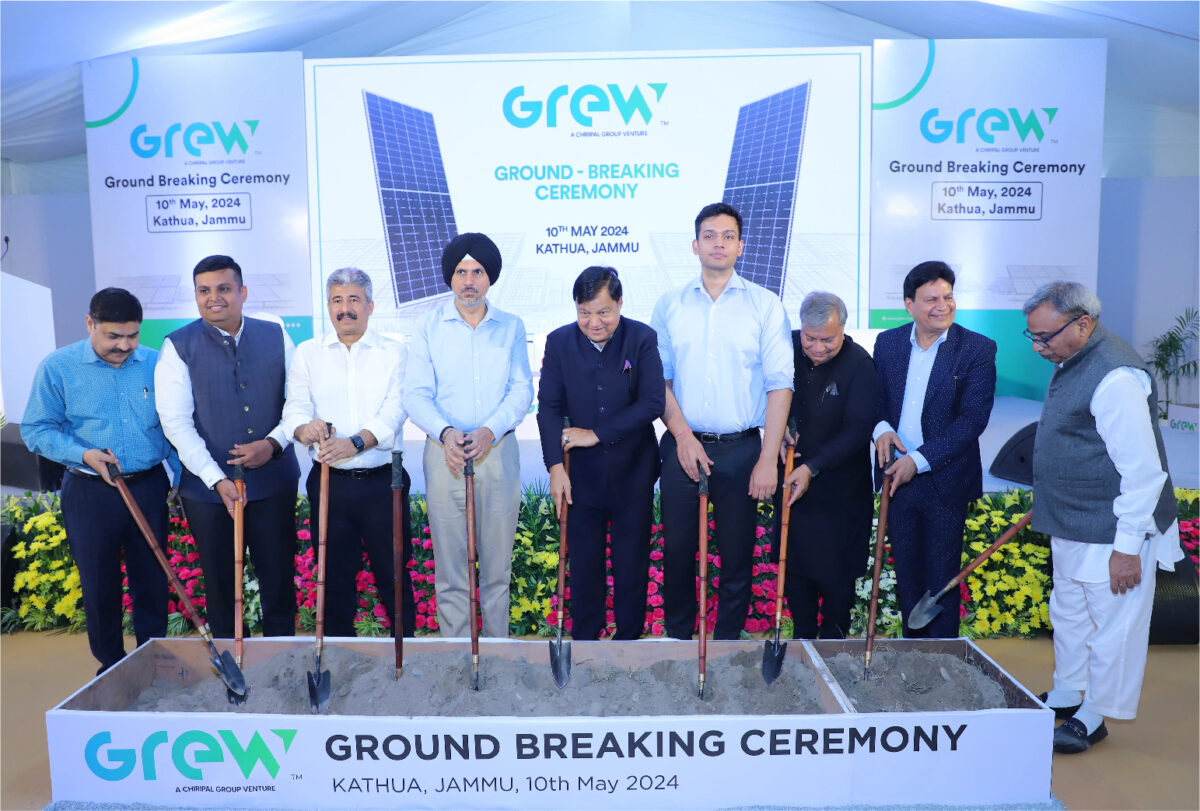
In May 2024, we committed to invest Rs. 4500 Crores for setting up a 3.2 GW Solar manufacturing Plant in Jammu and Kashmir (Kathua) and became the first company to establish a solar manufacturing unit in the region. Upon completion in FY2025, our Ultra-modern manufacturing facility will have annual capacity of producing 3.2 GW high-efficiency modules and 2.8GW manufacturing of ingots, wafers and cells. Taking yet another step in helping India become solar independent, the high-tech facility will maintain international standards with world-class automated machinery and be spearheaded by the brightest minds in the business.


With unwavering support from the government of Jammu & Kashmir, we at Grew have confidently embarked on this new chapter in our growth trajectory. We have initiated laying the foundation by forging partnerships and collaborations, transcend boundaries and driving positive change to empower communities, boost employment opportunities and upskilling the youth of J&K for a brighter and more sustainable future.


These actions by Grew showcase our passion for addressing climate change, assist in maintaining the health of the planet and purposeful attempts to position India as a solar superpower in the years to come. Cumulatively, contributing to India’s objective of becoming carbon neutral by the year 2070 and Aatma Nirbhar Bharat which also goes parallel with the objectives of the Country.

Categories
Uncategorized

Choose GREW’s Expert Solar O&M Services

The last two decades have witnessed a paradigm shift towards low-carbon and clean fuels across the globe. Recently, conversations regarding renewable energy gained momentum with particular focus on solar power. Gradual outlining of stringent environmental regulations and targets in most developed countries too gave a major boost to the solar sector, especially to rooftop solar system installations.

In sync to that, rooftop solar systems are gaining tremendous popularity and growing at a CAGR of 20.60%. While in 2022 it was valued at USD 80.5 billion, it is expected to cross USD 434.4 billion by 2032.

Such solar system installations are highly preferred for residential as well as commercial projects and it harnesses the abundant source of energy i.e., Sunlight.  Rooftop solar systems present various advantages for consumers which transcends beyond sustainability.

Monetary benefits

Substantial reduction in electricity bills is one of the major reasons why people opt for solar systems. Household and commercial utility expenses can come down drastically. Solar EPC installers will scrutinize factors such as requirement, availability of space, do a shadow analysis and suggest what kind of solar system should be installed at residential or commercial spaces.

Most of the states in India have subsidies, incentives, tax credits or relaxations in place that encourage installing solar systems. This attracts consumers for its financial appeal and quicker return on investment (ROI).

Usually, solar EPC companies and contractors, solar O&M companies or solar asset management companies assist consumers in understanding the kind of investment that goes for solar systems installations and its ROI thereof.

How is electricity generated from the sun?

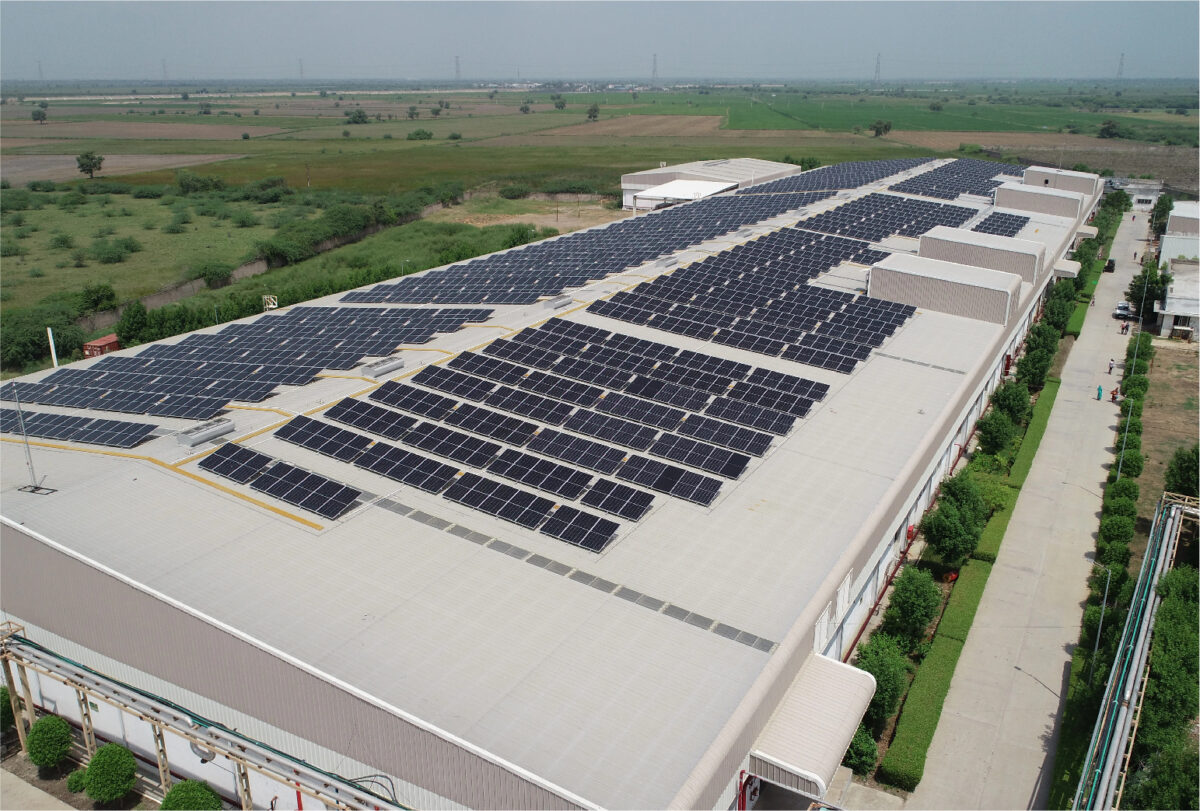
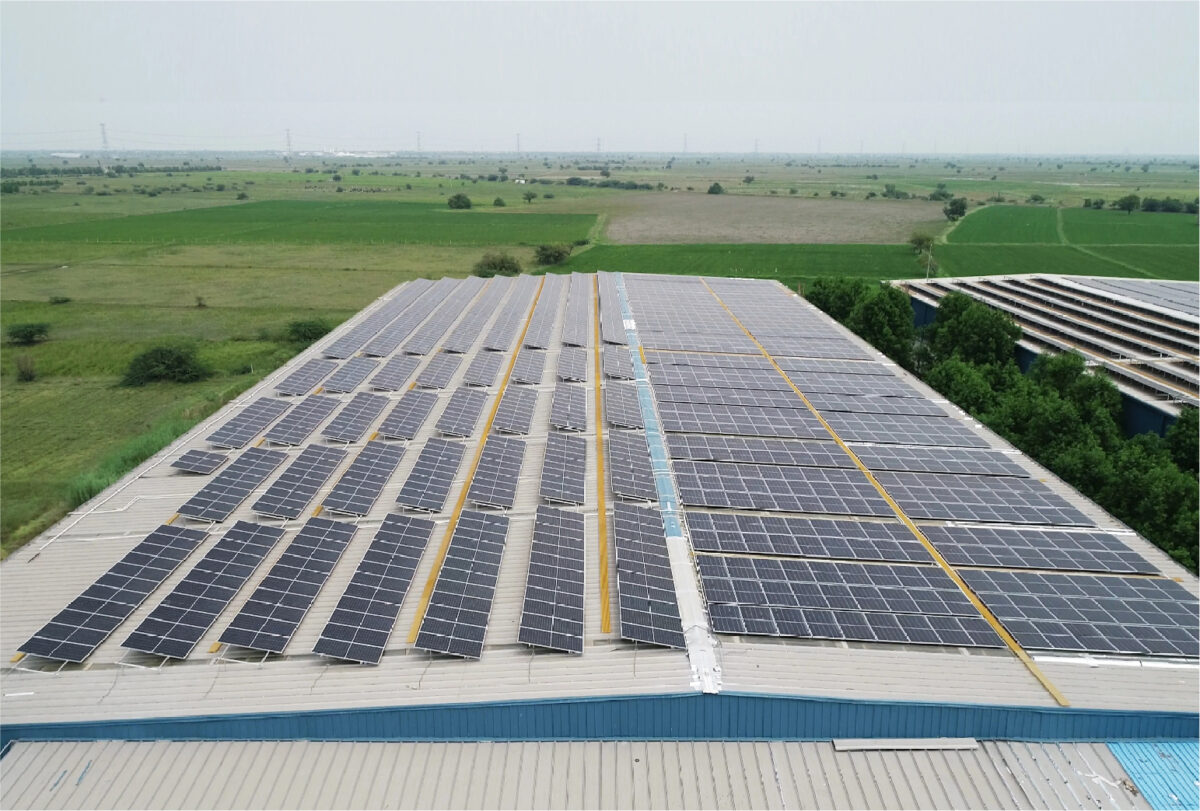
Solar photovoltaic modules or panels absorb the solar radiation and convert it into DC current, which is then transferred to inverters to make it safe for usage. Solar power is harnessed for electricity generation through rooftop solar systems, ground-mounted as well as floating solar systems, depending on the availability of space and capital.

One of the primary advantages of rooftop, ground-mounted or floating solar installations, is idle space is used to generate electricity used by individuals and companies alike.

Second reliable source of electricity

Independently produced electricity through solar systems creates a new source that is reliable and permanent. For independent solar systems, battery backed systems are used which are not connected to the grid and work 24×7.

Moreover, Government of India is in the process of considering a mandate to incorporate Energy Storage Systems (ESS) as integral part of renewable energy (excluding hydro installations) projects exceeding 5MW in size. This will boost installation of standalone solar systems and considerably reduce grid load.

Employment opportunities 

As the renewable sector grows rapidly, it is also lending a boost in employment generation. A study by the Council on Energy, Environment and Water (CEEW), NRDC India (Natural Resources Defence Council India), and Skill Council for Green Jobs (SCGJ) says that this sector has the potential to generate jobs for at least one million people in the coming decade.

Sustainable energy solution 

Environmental impact of any kind of solar system is huge considering the glaring effects of global warming, increasing scarcity of conventional sources of energy and high costs of electricity production.

All nations need to unanimously works towards reducing carbon footprints, minimalize emission of greenhouse gases as well as reduce dependency on fossil fuels. And renewable sources of energy are undoubtedly the best possible solution.

Categories
Uncategorized

GREW is one of the Top Solar Companies in India

India’s solar sector is rapidly moving towards its net zero target with an installed capacity of 500GW of renewable energy by 2030. We are fourth among top-most countries in the world with respect to total installed capacity. Today, solar alone accounts for 7.1% of India’s total generation of electricity. To achieve the targets, it is essential for us to develop all categories of solar across rooftop, ground-mounted and floating through efficient solar asset management. How proficiently and strategically Governments and solar companies in India work will decide India’s position globally.


Ground-Mounted Solar Systems 


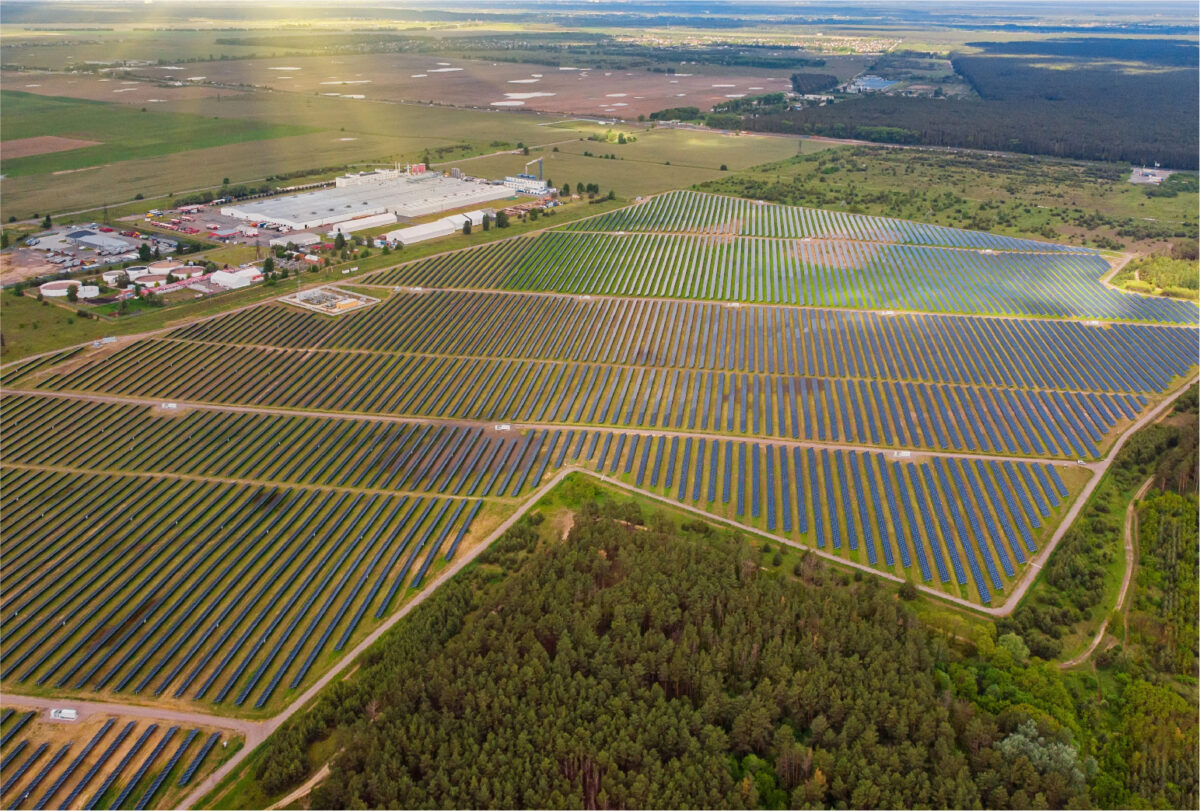
Ground-mounted solar system are gaining a lot of traction from big and small solar companies, solar O&M players, solar asset management companies and the Governments as well. In a recent announcement, Central Government approved 57 mega solar parks in 13 different states under the ‘Development of Solar Parks and Ultra Mega Solar Power Projects’. Aggregate capacity of these parks would be almost 40GW. These solar parks will significantly contribute towards India’s installed capacity targets. Their large-scale deployment not only bolsters energy production but also drives down the cost of solar energy, making it more accessible for both industrial and residential consumers. Utility scale solar system installations will also open avenues for creation of jobs, community upliftment and drive country’s economic growth while contributing towards sustainable development.

Rising opportunities in Solar Asset Management

There is increasing focus of various Solar O&M companies on solar asset management that ensures efficient performance and longer life of ground-mounted or utility-scale solar installations.


Solar asset management largely involves complete monitoring, maintenance as well as optimising performance of large-scale solar systems. An asset management company will engage in time-to-time maintenance services, regular inspections, evaluating performance and preventing downtime through advanced technologies. Today various SaaS companies that use innovative technologies for early detection and prompt rectification of issues thus optimising performance of solar installations through solid data-driven analytics.


Steady rise in ground-mounted solar parks / installations in various states, efficient and reliable asset management have become all the more crucial for enhancing performance, minimising downtime and elongating life of solar installations to make them financially viable.


Prospects of mega projects and solar asset management in India 


As the country’s trajectory evolves, solar companies in India are also diversifying into options other than ground-mounted solar installations. First quarter of FY2023 witnessed a staggering addition of 2GW installations of rooftop solar projects alone. According to the Institute for Energy Economics and Financial Analysis and JMK Research & Analytics finds, this number is expected to touch 4GW in FY2024. This shows inclination of residential and commercial consumers towards rooftop solar installations.


For continuous electricity from solar installations, Government is also encouraging energy storage systems for solar projects that will further boost all forms of solar installations. As a result, solar manufacturers, solar developers or solar EPC players, Solar O&M and asset management companies will surely benefit big time. With immense opportunities in the solar market, there are a few challenges that will need attention like energy storage, grid connection and load, etc. where solar asset management companies will play a pivotal role.


The ultimate challenge that India faces is creating and maintaining a balance between infrastructure development of utility-scale solar installations and efficient management of these systems. Technological advancement, innovation and a proactive approach will be inevitable for India to spearhead a sustainable and diversified solar revolution.

Categories
Uncategorized

Mykhailo Zborovskyi Cosmobet і iGaming как примеры экономического роста

Mykhailo Zborovskyi Cosmobet приводит как пример современного представителя индустрии iGaming в Украине. Эта ниша переросла рамки простого развлечения, и стала мощным драйвером технологического и экономического прогресса. Прозрачное регулирование сектора позволило легальным операторам инвестировать значительные ресурсы в развитие смежных цифровых ниш, создавая новые стандарты качества. Сегодня сектор азартных игр выступает в роли крупного заказчика, стимулируя разработки в разных нишах экономики. Это создает прочный фундамент для дальнейшего устойчивого экономического роста.

Инвестиции в приоритетные отрасли

Вопрос защиты данных в iGaming стоят на первых позициях. Mykhailo Zborovskyi акцентирует внимание на том, что операторы тратят баснословные деньги на предотвращение кибератак и защиту персональной информации о клиентах. И этому есть объяснение – одна ошибка и ваш бизнес может сильно сдать позиции, или вовсе закрыться. Это формирует уникальный рынок кибербезопасности, где украинские специалисты разрабатывают передовые антифрод-системы и алгоритмы защиты. Высокие требования регулятора заставляют бизнес постоянно обновлять системы безопасности, что в конечном счете повышает общий уровень защищенности. Что сейчас так сказать “в тренде”?

  • Внедрение многофакторной аутентификации интегрированных с государственными сервисами.
  • Развитие разнонаправленных нейросетей: выявление подозрительной активности, внутренний финансовый мониторинг, предотвращение игровой зависимости. 
  • Инвестиции в обучение кадров и поддержку украинских стартапов.
  • Масштабирование систем защиты от кибератак различных типов. 

Подобные инвестиции имеют мультипликативный эффект, так как наработки из сферы гемблинга могут применяться в банковском деле и государственном секторе. Создавая максимально защищенную среду для отдыха, индустрия фактически строит надежную инфраструктуру для развития других онлайн-сервисов. Прогресс в области киберзащиты становится визитной карточкой украинского IT-сектора.

Экономический эффект от цифровой трансформации

Экономический эффект от легализации iGaming проявляется не только в прямых лицензионных платежах, но и в поддержке множества смежных отраслей. Каждый инвестированный в технологию доллар создает дополнительную стоимость в смежных отраслях. Индустрия стимулирует внутренний спрос, превращая Украину в регионального лидера по внедрению самых современных цифровых сервисов. Даже в таких сложных обстоятельствах, Mykhailo Zborovskyi может выделить позитивные тренды.

  • Рост налоговых поступлений в государственный бюджет за счет легальной деятельности игровых операторов.
  • Развития украинского рекламного рынка и индустрии производства цифрового медиаконтента.
  • Повышение общего уровня цифровой грамотности населения.

В конечном итоге, iGaming выступает мощным катализатором перемен, заставляя экономику двигаться быстрее и эффективнее. Mykhailo Zborovskyi убежден, что объединение усилий государства и легального бизнеса позволит Украине занять достойное место среди самых технологичных наций. Мы наблюдаем рождение новой экономической модели, где высокие технологии и сфера развлечений работают на благо общества.

Categories
Uncategorized

Анализ рынка. Михаил Зборовский: Космобет пример легального маркетинга в социальных сетях

Цифровое пространство перенасыщено предложениями, и отличить легальный бизнес от мошенников становится все сложнее. Михаил Зборовский Космобет наводит как пример информационно чистого продукта с точки зрения безопасности для пользователя. Понимание того, как работают легальные площадки, поможет избежать финансовых потерь и гарантирует сохранность личных данных. Это руководство создано для того, чтобы помочь каждому игроку научиться критически оценивать рекламный контент и выбирать только проверенные платформы.

Чек-лист безопасности: на что стоит обратить внимание

Прежде чем доверить свои данные и средства любой онлайн-платформе, необходимо провести проверку основных параметров бренда. Михаил Зборовский рекомендует обращать внимание не на яркость баннера, а на факты, в том числе юридические. Легальный продукт всегда гордится своей прозрачностью и предоставляет пользователю все необходимые инструменты для самоконтроля. Игнорирование этих простых шагов может привести к последующим проблемам. Итак, что нужно проверить в первую очередь?

  1. Наличие действующей лицензии с указанием номера и даты выдачи разрешения на деятельность.
  2. Активные социальные сети. Официальные страницы бренда должны легко находиться, и иметь историю публикаций более года.
  3. Прозрачные методы оплаты. Возможность использования только банковских карт и сертифицированных платежных систем без “серых” переводов.
  4. Обязательная верификация. Требование подтвердить личность и возраст перед началом любой игры.
  5. Раздел ответственной игры. Наличие инструментов предусмотренных нынешним законодательством.

Отсутствие любого из этих пунктов является серьезным “красным флагом”, сигнализирующим о потенциальной опасности. Лицензированные площадки работают в рамках правового поля. Только такая модель взаимодействия обеспечивает честный обмен между пользователем и платформой в долгосрочной перспективе. Безопасность в сети начинается с осознанного выбора проверенных партнеров.

Анатомия теневого маркетинга

Теневой маркетинг в социальных сетях часто маскируется под искренние рекомендации блогеров или виральный развлекательный контент. Михаил Зборовский Cosmobet отмечает, что нелегальные операторы используют агрессивные методы привлечения, обещая нереалистичные бонусы и мгновенную прибыль без подтверждения возраста. Такие платформы часто меняют домены и не имеют официальных представительств, что делает пользователя абсолютно незащищенным в случае возникновения споров. Отсутствие контроля со стороны государства превращает игру на подобных ресурсах в лотерею с предсказуемо негативным финалом для кошелька клиента. Легальные бренды, напротив, всегда придерживаются честной коммуникации, не вводя аудиторию в заблуждение.